
Why Regular Oil Changes Matter More Than You Think
04 April 2025
Think of engine oil as the unsung hero under the hood, constantly working to keep your engine happy.
First, it lubricates all those moving parts, preventing friction that could cause premature wear and tear. It also helps keep temperatures in check, absorbing the heat your engine produces and preventing it from overheating. On top of that, oil acts like a mini-cleaning crew, trapping dirt, debris, and tiny metal particles before they can cause build up or cause corrosion.
But here’s the catch—oil doesn’t stay fresh forever. Over time, it breaks down and gets dirty, losing its ability to do its job properly. That’s why swapping it out regularly is key to keeping your engine running smoothly.
Sure, modern cars usually remind us when an oil change is due, but it’s still good to know the warning signs yourself. Here are a few detailed clues:
Postponing an oil change might seem harmless, but actually it’s a slippery slope. Old, dirty oil struggles to lubricate and cool your engine effectively. This means more friction, more heat, and eventually, more damage.
Let it go too long, and you could be looking at serious engine trouble, like overheating or worn-out components that need replacing. In worst-case scenarios, you could be facing full engine failure, which is a very expensive fix. On top of that, neglected oil can become acidic, leading to corrosion and leaks that are both frustrating and costly.
Long story short—regular oil changes are one of the simplest ways to avoid major repairs and extend the life of your car.
The answer depends on a few factors. Some cars need oil changes every 3,000 to 5,000 miles, while others—especially those using synthetic oil—can go 7,500 to 10,000 miles before needing fresh oil.
Other factors come into play too. If you drive in extreme conditions—like heavy traffic, dusty roads, or hot weather—your oil may degrade faster. The best way to know for sure? Check your owner’s manual or ask your trusted service center.
Not all engine oils are created equal, so choosing the right one matters. The main types are:
At the end of the day, regular oil changes are one of the easiest ways to keep your car in top condition. They prevent wear and tear, improve fuel efficiency, and help your engine last longer. Plus, a little maintenance now saves you from big repair bills later.
Not sure when your last oil change was? No worries—Granger Service is here to help! Our expert technicians make oil changes quick and hassle-free, so you can hit the road with confidence.
Schedule an appointment today and keep your car running like new!
Book your service today and travel with confidence!
Here’s the thing: changing your engine oil regularly is one of the easiest, most effective ways to keep your car running like a dream. While it might be tempting to put it off, skipping an oil change can lead to serious trouble for your engine, costing you time, money, and headaches.
So, let’s dive into why keeping up with oil changes is a simple yet powerful way to keep your ride in top shape.
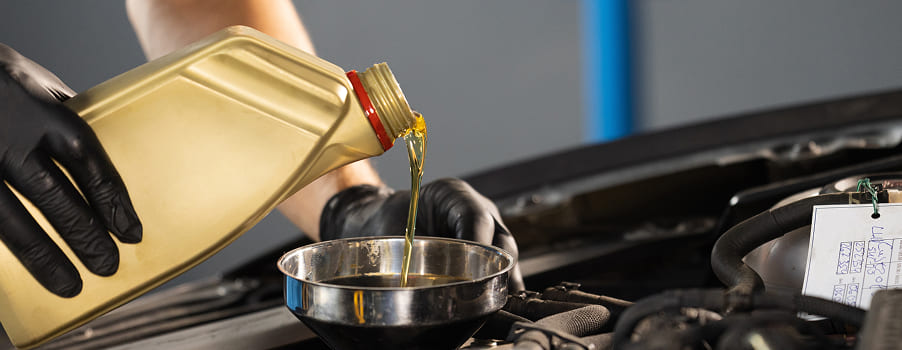
Think of engine oil as the unsung hero under the hood, constantly working to keep your engine happy.
First, it lubricates all those moving parts, preventing friction that could cause premature wear and tear. It also helps keep temperatures in check, absorbing the heat your engine produces and preventing it from overheating. On top of that, oil acts like a mini-cleaning crew, trapping dirt, debris, and tiny metal particles before they can cause build up or cause corrosion.
But here’s the catch—oil doesn’t stay fresh forever. Over time, it breaks down and gets dirty, losing its ability to do its job properly. That’s why swapping it out regularly is key to keeping your engine running smoothly.
Sure, modern cars usually remind us when an oil change is due, but it’s still good to know the warning signs yourself. Here are a few detailed clues:
- Dark, gritty oil: Fresh oil is golden and slick, but once it starts looking like thick black sludge, it’s past its prime.
- Louder engine noise: If your car sounds louder than usual, it might not be getting the lubrication it needs.
- Declining fuel efficiency: If you find yourself visiting the gas station more often than usual, old oil could be making your engine work harder.
- Rough idling or sluggish acceleration: Poor engine performance can often be traced back to neglected oil changes.
- The dreaded dashboard light: If the oil warning light comes on, your car is basically shouting, "Hey, pay attention to me!"
Checking your oil regularly helps catch these signs early and ensures you’re keeping up with maintenance before bigger problems arise.
Postponing an oil change might seem harmless, but actually it’s a slippery slope. Old, dirty oil struggles to lubricate and cool your engine effectively. This means more friction, more heat, and eventually, more damage.
Let it go too long, and you could be looking at serious engine trouble, like overheating or worn-out components that need replacing. In worst-case scenarios, you could be facing full engine failure, which is a very expensive fix. On top of that, neglected oil can become acidic, leading to corrosion and leaks that are both frustrating and costly.
Long story short—regular oil changes are one of the simplest ways to avoid major repairs and extend the life of your car.
The answer depends on a few factors. Some cars need oil changes every 3,000 to 5,000 miles, while others—especially those using synthetic oil—can go 7,500 to 10,000 miles before needing fresh oil.
Other factors come into play too. If you drive in extreme conditions—like heavy traffic, dusty roads, or hot weather—your oil may degrade faster. The best way to know for sure? Check your owner’s manual or ask your trusted service center.
Not all engine oils are created equal, so choosing the right one matters. The main types are:
- Conventional oil: Standard option, best for older engines
- Synthetic oil: Higher-quality protection, great for high-performance or newer engines.
- Synthetic blend: A mix of both, offering balance in performance and affordability.
At the end of the day, regular oil changes are one of the easiest ways to keep your car in top condition. They prevent wear and tear, improve fuel efficiency, and help your engine last longer. Plus, a little maintenance now saves you from big repair bills later.
Not sure when your last oil change was? No worries—Granger Service is here to help! Our expert technicians make oil changes quick and hassle-free, so you can hit the road with confidence.
Schedule an appointment today and keep your car running like new!
Book your service today and travel with confidence!
Modern Nissan vehicles can do much more than get you around Grand Rapids and West Michigan. Depending on the model and available equipment, Nissan driver-assistance technology ....
You check your Nissan's oil and notice the level is lower than expected. Maybe you checked it before heading across Grand Rapids. Maybe you're getting ready for a drive-through...
Experience the perfect blend of innovation, style, and reliability with Nissan—crafted to elevate every journey, big or small.
Regular car maintenance is crucial to extend the lifespan of your vehicle, prevent costly repairs, and ensure your safety on the road.
Often, vehicle owners overlook the subtle signs that indicate their car is due for a tune-up.
A clean and well-maintained car interior can enhance your driving experience and increase your car's resale value.
As electric vehicles (EVs) become increasingly popular, it's essential to understand the basics of EV charging. Here's a beginner's guide to EV charging
Winter driving can be hazardous, especially in areas with heavy snowfall and freezing temperatures. Here are some winter driving tips to keep you safe on the road