
6 Practical Ways to Get More Life Out of Your Car Battery
Your vehicle's battery is easy to forget about when everything works as it should. However, it plays an essential role in starting your engine and supplying power to important electrical systems. Whether you're commuting through Grand Rapids, navigating Michigan's winter roads, or heading out on a weekend trip, a reliable battery helps keep your plans on track.
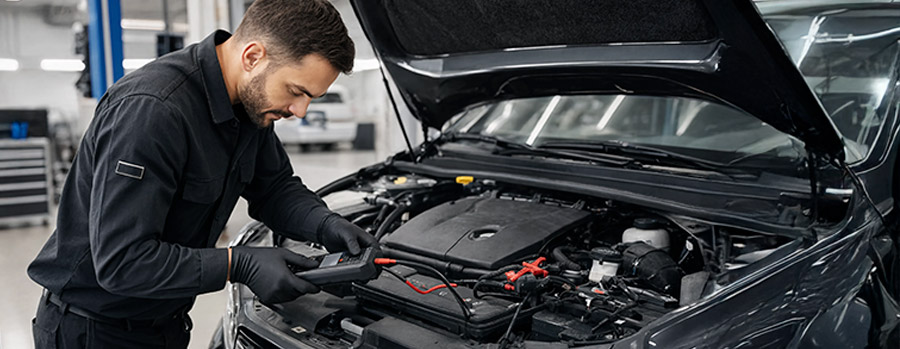
Unfortunately,
batteries don't last forever. Cold winters, summer heat, frequent short
journeys, and electrical problems can all affect battery performance. Without
regular attention, a weakening battery could leave you dealing with an
unexpected no-start situation.
Fortunately,
a few preventive measures can help you monitor battery health and recognize
potential problems early. Here are six ways to care for your battery and
support dependable vehicle performance.
1. Check for Early Signs of Battery Wear
A
battery can deteriorate gradually before it stops working altogether. Periodic
inspections help you identify visible problems and determine when professional
testing may be worthwhile.
Look for
corrosion around the battery terminals, loose connections, frayed cables, or
cracks and swelling in the battery case. You should also notice how your engine
starts. If it turns over more slowly than usual, the battery may no longer be
delivering sufficient starting power.
Most
conventional car batteries last approximately three to five years, although
their lifespan depends on battery type, driving habits, maintenance, and
weather conditions.
Helpful
tip: If your
battery is several years old, consider having it tested during routine
maintenance, especially before winter or a long road trip. A battery that
starts your vehicle today may still be losing capacity.
Never
handle a battery that is leaking, swollen, or visibly damaged. Arrange
professional assistance instead.
2. Avoid Putting Too Much Strain on Short
Trips
Frequent
short journeys can make it difficult for your battery to recover the energy
used to start the engine. This is particularly relevant if you regularly make
several quick stops throughout the day.
Once the
engine is running, the alternator powers the vehicle's electrical systems and
helps recharge the battery. However, repeated brief drives may not provide
enough charging time to replace the energy consumed during starting.
To help
manage battery use:
·
Group nearby errands together when convenient.
·
Limit repeated engine starts when they're unnecessary.
·
Consider a compatible battery maintainer if your vehicle sits unused for
extended periods.
·
Have the battery checked if it repeatedly loses its charge.
Don't
assume that taking a longer drive will resolve persistent battery problems. If
the battery continues to struggle, a technician can test the battery and
charging system to identify the underlying cause.
3. Prepare Your Battery for Michigan's
Winters
Weather
has a significant influence on battery performance. Cold temperatures make it
harder for a battery to deliver the power needed to start an engine, while hot
weather can accelerate internal deterioration over time.
For
drivers in Grand Rapids, winter preparation deserves particular attention. A
battery that performs adequately in mild weather may struggle when temperatures
drop.
Take
these precautions to help reduce the risk of cold-weather starting problems:
·
Have your battery tested before winter arrives.
·
Check the terminals and cable connections for corrosion or looseness.
·
Park in a garage when possible to reduce exposure to the elements.
·
Address slow starting or other warning signs before temperatures fall
further.
Battery
testing is useful even if your vehicle appears to be running normally.
Identifying a weakening battery ahead of a cold spell can help you avoid an
inconvenient breakdown.
4. Reduce Unnecessary Battery Drain
Your
battery can lose power even when your vehicle isn't moving. Lights left
switched on, accessories that continue drawing electricity, or faults in the
electrical system can drain the battery while the engine is off.
A few
simple habits can help prevent this:
·
Make sure headlights and interior lights are switched off when
appropriate.
·
Disconnect accessories that continue using power while parked.
·
Avoid running electrical features for extended periods with the engine
off.
·
Check that all doors and the trunk are properly closed.
·
Investigate recurring battery discharge rather than depending on
jump-starts.
If your
battery repeatedly goes flat overnight, the issue may involve an electrical
component or accessory rather than the battery itself.
A
professional inspection can help identify excessive electrical consumption and
determine whether the battery, wiring, or another component needs attention.
5. Recognize When Your Battery Needs
Attention
Your
vehicle may show several warning signs before the battery fails completely.
Acting on these symptoms early can help you avoid an unexpected call for
roadside assistance.
Watch
for these common indicators:
|
Warning Sign
|
What It May Indicate
|
|
Slow engine cranking
|
The battery may be losing
its ability to deliver sufficient starting power.
|
|
Clicking when starting
|
A weak battery or another
starting-system issue may be present.
|
|
Dim headlights
|
The battery or charging
system may need inspection.
|
|
Battery warning light
|
A charging-system problem
may be affecting battery performance.
|
|
Unusual electrical
behavior
|
The battery, wiring, or
electrical components may require diagnosis.
|
|
Repeated jump-starts
|
The battery may be
deteriorating or losing charge due to another fault.
|
These
symptoms don't always mean the battery needs replacing. A faulty alternator,
starter motor, damaged wiring, or other electrical problem can produce similar
warning signs.
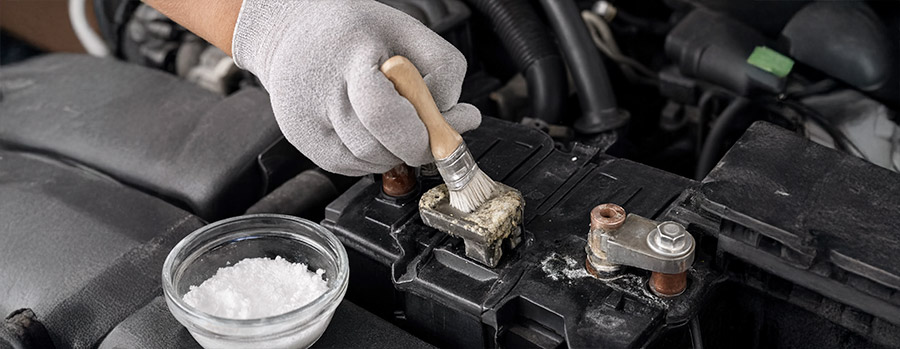
Battery
and charging-system testing can help determine what's causing the issue and
whether replacement is necessary. If the battery case is swollen, cracked, or
leaking, avoid handling it and seek professional help.
6. Make Battery Testing Part of Routine
Nissan Maintenance
Regular
vehicle maintenance offers an opportunity to check battery condition before a
problem interrupts your routine. The battery, alternator, and electrical
connections work together, so evaluating the charging system can be just as
important as testing the battery itself.
An
inspection may involve testing starting performance, examining the terminals
and cables, checking for physical damage, and assessing charging-system
operation. If the battery repeatedly loses power, additional diagnosis may be
needed to find the source of the drain.
If
replacement is required, the new battery should meet your Nissan's
specifications. Some modern vehicles may also require specific
battery-monitoring-system procedures or electronic resets following
replacement. Following the manufacturer's recommendations helps ensure the
system operates as intended.
At Fox
Nissan, drivers can seek assistance with Nissan maintenance and battery-related
concerns. If you're experiencing slow starts, repeated battery discharge, or
electrical warning lights, an inspection can help establish the appropriate
next step.
Car Battery Maintenance Checklist
Use this
checklist to help keep your battery in good condition throughout the year.
|
Maintenance Task
|
When to Consider It
|
|
Inspect the battery case
|
Periodically and during
scheduled maintenance
|
|
Test battery performance
|
During routine service,
especially as the battery ages
|
|
Check terminals and
cables
|
During maintenance or
when starting issues occur
|
|
Test the charging system
|
When warning lights or
charging problems appear
|
|
Diagnose repeated power
loss
|
When the battery
frequently loses charge
|
|
Replace the battery
|
When testing confirms
replacement is needed
|
Always
follow your Nissan owner's manual and your technician's recommendations for
your specific vehicle.
Get Ready for the Road with Fox Nissan
A
healthy battery helps your vehicle start reliably, but its condition can change
with age, weather, and driving habits. Regular testing, sensible electrical
use, and early attention to warning signs can help reduce the risk of
unexpected starting problems.
Whether
you're preparing for a Grand Rapids winter or simply want to keep your daily
commute running smoothly, Fox Nissan can help you address battery concerns and
determine whether your vehicle needs further testing or a replacement.
If your
Nissan is starting slowly, repeatedly losing charge, or displaying a battery
warning light, don't wait for the problem to leave you stranded.
Schedule a service appointment with Fox Nissan in Grand Rapids, MI, and give your vehicle the attention it needs to keep moving.