
Why Is My Nissan Engine Oil Level Low? Common Causes Every Driver Should Know
You check your Nissan's oil and notice the level is lower than expected.
Maybe you checked it before heading
across Grand Rapids. Maybe you're getting ready for a longer drive through West
Michigan. Either way, the question is probably the same: Why is my Nissan
engine oil low?
A low oil level isn't something to brush
off. Engine oil lubricates moving components, helps manage heat, and reduces
friction inside the engine. When there isn't enough oil circulating, important
engine components may not receive the protection they need.
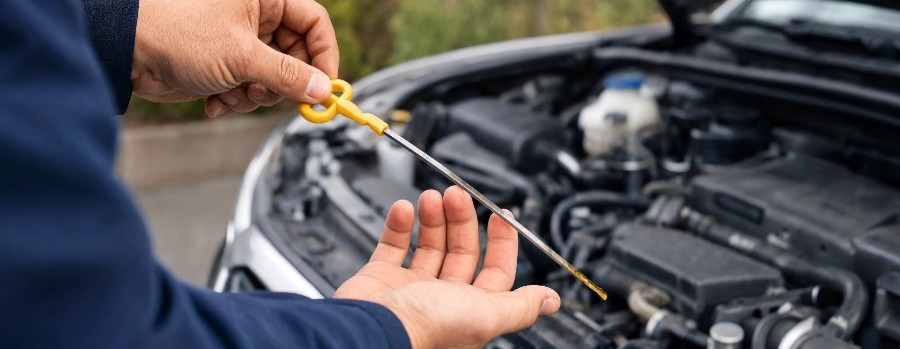
Some oil consumption between service
intervals can be normal. But if you're repeatedly adding oil or the level is
dropping noticeably, there may be an underlying issue worth investigating.
At Fox Nissan Grand Rapids, our
service team helps Nissan drivers keep up with essential maintenance and
address concerns before they become bigger problems.
Why Does My Nissan Engine Oil Level Go Down?
There isn't always one simple answer. Oil
levels can decrease because of normal consumption, leaks, worn components, or
maintenance intervals that have gone a little too long.
Here are some of the most common
possibilities.
1. Your Engine Is Consuming Oil
Engines can consume a small amount of oil
during normal operation. Over time, some oil may enter the combustion process
and burn away.
Oil consumption can become more
noticeable as a vehicle accumulates mileage or operates under demanding
conditions.
Factors that may contribute include:
-
Higher mileage
-
Frequent stop-and-go
driving
-
Extended highway driving
-
Heavy loads
-
Longer intervals between
oil changes
If you're checking the oil more often
because the level keeps dropping, don't simply make topping it off your new
maintenance routine. It's worth finding out why the oil is being consumed.
2. An Oil Leak May Be Lowering the Level
An external oil leak is another common
reason for a low engine oil level.
Oil can escape through worn seals,
gaskets, drain plugs, or other engine components. Depending on where the leak
occurs, you may notice:
-
Oil spots beneath your
Nissan
-
Dark residue around the
engine
-
A burning oil smell
-
A steadily decreasing oil
level
A small leak may not leave a large puddle
in your driveway. It can still gradually reduce the amount of oil available to
protect the engine.
If you regularly need to add oil between
services, the source should be identified rather than simply adding more oil
and moving on.
3. Worn Engine Components Can Increase Oil Consumption
As an engine accumulates mileage,
internal components can experience wear.
Components such as piston rings and valve
seals help keep oil where it belongs. When these components become worn, more
oil may enter the combustion chamber and burn during normal engine operation.
One possible clue is blue or bluish
exhaust smoke, particularly when combined with increasing oil consumption.
If you're adding oil more frequently than
you used to, an inspection can help determine whether normal consumption or an
internal engine issue is responsible.
4. Your Driving Habits Can Affect Oil Consumption
Where and how you drive can influence how
hard your engine works.
Grand Rapids drivers may encounter plenty
of stop-and-go traffic during daily commutes, frequent short trips around town,
or longer highway drives throughout West Michigan. These different driving
conditions can affect engine operating time and maintenance needs.
Short trips can be particularly demanding
because the engine may not spend much time at its normal operating temperature.
That doesn't necessarily mean your
driving habits are causing your Nissan to lose oil. But if you drive frequently
in demanding conditions, keeping an eye on your oil level becomes even more
important.
5. You're Waiting Too Long Between Oil Changes
Engine oil doesn't remain at peak
condition forever.
Over time and mileage, oil can become
less effective at performing its lubrication and heat-management duties. That's
why Nissan recommends following the appropriate maintenance schedule for your
vehicle.
If you're unsure when your Nissan was
last serviced, checking your maintenance records is a good place to start.
And if you're already due for an oil
change, Fox Nissan Grand Rapids offers Nissan oil change service as well as
Nissan Express Service for certain routine maintenance needs.
What Happens If You Drive With Low Engine Oil?
Your engine relies on oil to create a
protective layer between moving components.
When the oil level becomes too low,
increased friction can contribute to:
-
Increased engine wear
-
Higher operating
temperatures
-
Unusual engine noises
-
Reduced engine
performance
-
Warning lights
-
Potential engine damage
Continuing to drive with extremely low
oil can result in serious engine damage.
That's why a low oil level is better
treated as a warning than a minor inconvenience.
If your Nissan's oil warning light comes
on, or you notice significant engine noise or other serious symptoms, pull over
safely and address the issue rather than continuing to drive as normal.
Warning Signs Your Nissan May Have Low Engine Oil
Your dipstick isn't the only way your
Nissan can tell you something is wrong.
Keep an eye out for these warning signs.
Oil Warning Light
An oil warning light can indicate low oil
pressure or another lubrication-related issue.
Don't assume the light simply means
you're due for an oil change. If it comes on while you're driving, safely stop
and determine what your vehicle is telling you before continuing.
Unusual Engine Noise
Low oil can increase friction between
moving engine components.
That may contribute to ticking, tapping,
knocking, or other unusual sounds. A new engine noise combined with a low oil
level deserves attention.
Burning Oil Smell
A burning oil smell may occur if leaking
oil reaches hot engine components.
If you notice this smell repeatedly,
especially along with a dropping oil level, there may be a leak that needs to
be located.
Visible Oil Leaks
Dark spots or puddles underneath your
Nissan can be a sign of an oil leak.
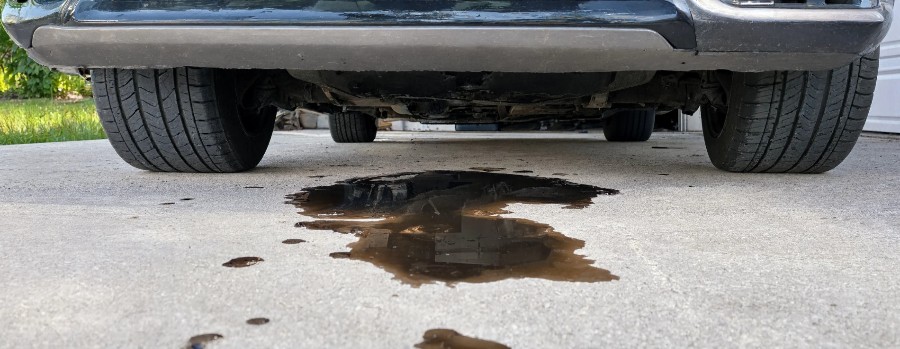
The location and appearance of the fluid
can provide useful clues, but identifying the exact source may require a closer
inspection.
Frequently Adding Oil
If you're regularly topping off your
Nissan between oil changes, that's a reason to look beyond the dipstick.
Some oil consumption can be normal, but a
noticeable change in how often you need to add oil may point to a leak,
increased consumption, or another mechanical concern.
How Often Should You Check Your Nissan's Engine Oil?
Regular oil checks are one of the
simplest ways to catch a potential problem early.
It's particularly useful to check your
oil before a longer trip or whenever you notice something different about how
your Nissan is running.
To check your oil:
-
Park on level ground.
-
Turn off the engine and
allow it to sit for a few minutes.
-
Remove the dipstick and
wipe it clean.
-
Reinsert the dipstick
fully.
-
Remove it again and check
the oil level against the marked range.
Always follow your Nissan owner's manual
for the correct procedure, oil specification, and maintenance recommendations
for your specific model.
If the oil level keeps dropping after
you've topped it off, the important question isn't just how much oil should I
add?
It's where is the oil going?
Can an Oil Change Fix Low Engine Oil?
An oil change replaces the old oil and
restores the engine to the appropriate oil level. But it won't necessarily fix
the reason the level became low.
For example, if your Nissan has an
external oil leak or is consuming an unusual amount of oil, adding fresh oil
doesn't address the underlying problem.
That's why repeated low oil levels
deserve more attention than simply adding another quart.
A proper inspection can help determine
whether you're dealing with normal consumption, an oil leak, worn engine
components, or another issue.
Nissan Oil Service in Grand Rapids, MI
Your Nissan's engine depends on having
the right amount of oil and keeping that oil in good condition.
Regular oil changes and routine checks
can help you stay ahead of maintenance needs and identify potential concerns
before they become more expensive problems.
Whether you're commuting around Grand
Rapids, heading toward Wyoming or Caledonia, or preparing for a longer West
Michigan drive, don't ignore a Nissan that keeps asking for more oil.
If your oil level is dropping, let the
service team help determine why.
Because checking the oil is simple.
Figuring out where it went? That's where the professionals come in.