Michigan Road Salt: How to Protect Your Vehicle Underbody from Winter Rust
A little attention to your vehicle's underbody this season can help you protect its long-term value.
If you've driven through a West
Michigan winter, you know the sound: the crunch of salt under your tires and
the gritty spray hitting your wheel wells on 28th Street, the East Beltline, or
M-6. Road salt and brine do an important job, helping keep roads safer when
snow and ice move in off Lake Michigan. But that same salt doesn't stay on the
road. It ends up on your Nissan, and most of it collects where you can't see
it: underneath.
For drivers in Kentwood, Cascade
Township, East Grand Rapids, and Caledonia, winter can mean months of exposure
to salty slush. Whether you drive a Rogue to work, a Frontier to the job site,
or a Pathfinder full of kids to practice, a little attention to your vehicle's
underbody this season can help you protect its appearance, its components, and
its long-term value.

Here's what every local Nissan owner should know about
road salt and rust, and the practical steps you can take this winter.
Why Road
Salt is So Hard on Vehicles
Rust is the result of a chemical
reaction between metal, water, and oxygen. On its own, that reaction happens
fairly slowly. Salt speeds things up. When salt dissolves in water, it creates
a solution which accelerates corrosion on exposed metal surfaces.
Many road agencies also use liquid
brine, which is sprayed on pavement before and during storms. Brine is
effective on the road, but because it's a liquid, it can cling to surfaces and
creep into seams, crevices, and joints on a vehicle's underside. It can stay
there long after the snow melts.
West Michigan winters add a few
factors of their own:
•
Freeze-thaw cycles. Temperatures in the Grand Rapids area
often swing above and below freezing, sometimes in the same day. Each thaw
creates fresh slush that splashes salty water back onto your vehicle.
•
Long salt season. Salt can be on local roads from late
fall into early spring, which means months of repeated exposure, not just a few
storms.
•
Lake-effect snow. Frequent snow bands mean more
frequent road treatment, and more spray from the vehicles around you.
•
Heated garages. Warmth helps you, but parking a
salt-covered vehicle in a warm garage can keep metal surfaces damp longer.
Rinsing salt off regularly matters even more if you park indoors.
Which
Parts of Your Nissan Are Most at Risk?
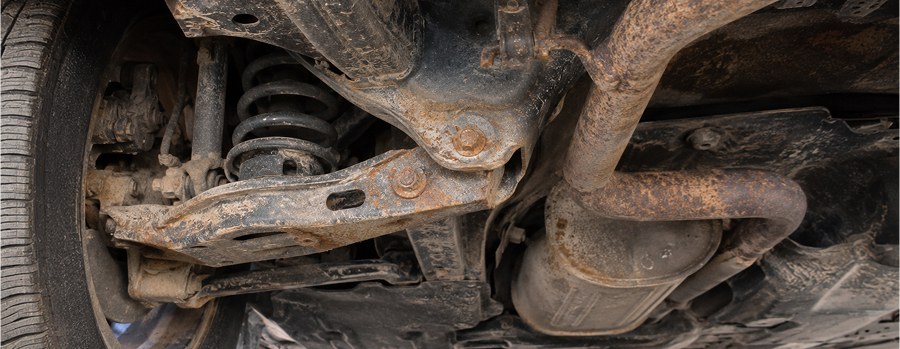
Modern Nissan vehicles are built with corrosion-resistant
materials and protective coatings, and those protections do a lot of work.
Still, the underside of any vehicle takes the brunt of winter driving. These
are the areas our technicians pay closest attention to:
Brake
Lines and Brake Components
Brake lines run along the underside of
your vehicle, and callipers, slide pins, and rotors sit right in the path of
road spray. Corrosion on brake components can affect how smoothly they operate
over time, which is why regular brake inspections are especially important for
Michigan drivers.
Fuel
Lines and Fuel System Parts
Like brake lines, fuel lines are
routed under the vehicle. They're designed for tough conditions, but keeping
them clean and having them looked at during routine service gives a technician
the chance to spot anything that needs attention.
Exhaust
System and Hangers
Your exhaust system heats up and cools
down every time you drive, and moisture tends to collect inside and around it.
Combine that with salt, and exhaust components, clamps, and rubber hangers can
wear over time.
Suspension,
Subframe, and Fasteners
Control arms, springs, sway bar links,
and the bolts that hold them together are all exposed to road spray. Corroded
fasteners can also make future repairs more time-consuming, so keeping these
areas clean has a practical benefit down the road.
Wheel
Wells, Rocker Panels, and Door Bottoms
These areas catch slush thrown up by
your tires. Salt and dirt can pack into seams and drain holes, holding moisture
against painted surfaces. Keeping drain holes clear helps water escape the way
it's designed to.
Wheels
and Lug Nuts
Salt residue can dull wheel finishes
and build up around lug nuts. A quick rinse helps keep wheels looking good and
makes tire service easier later in the year.
Seven
Practical Ways to Help Protect Your Nissan's Underbody
The good news: you don't need special
tools or a lot of time to make a difference. Most of these steps are simple
habits that fit into a normal West Michigan winter routine.
1. Wash
Regularly, and Don't Skip the Underbody
The single most helpful thing you can
do is rinse salt off before it has time to sit. A good rule of thumb is to wash
your vehicle every week or two during salt season, and soon after a major storm
once roads have been treated.
Try to wash on days when the
temperature is above freezing, so water can drain and dry instead of freezing
in door seals, locks, and seams. After washing, a short drive helps dry brake
components.
2. Start
the Season with a Clean, Protected Finish
A coat of quality wax applied in the
fall gives your paint an extra layer between it and the salt. If you missed
that window, it's not too late: pick a mild day. Pay extra attention to the
lower doors, rocker panels, and the area behind each wheel.
3. Keep
Drain Holes and Seams Clear
Doors, rocker panels, and some body
areas have small drain holes that let water escape. When leaves, dirt, and salt
clog them, moisture can stay trapped. While washing, take a moment to make sure
water drains freely from the bottoms of your doors.
4. Use
Quality Floor Mats Inside
Rust protection isn't only an outside
job. Salty snow from your boots melts onto the carpet and can soak through to
the floor pan. All-weather floor liners trap that slush so you can dump it out.
It's an easy upgrade for busy families and anyone who's in and out of the
vehicle all day.
5. Avoid
Deep Slush and Standing Water When Possible
You can't avoid every puddle, but when
it's safe to do so, steering around deep slush and standing water reduces how
much salty water is forced into the underbody. Leaving a little extra following
distance behind larger vehicles also cuts down on spray, and gives you more
room to stop on slick roads.
6. Ask
About Protective Coatings
There are several types of aftermarket
underbody coatings and rust inhibitors available. Every product works a little
differently, and not every option is right for every vehicle. If you're
considering one, talk with our service team first. We can explain what's
available, how it fits with your Nissan's factory protection, and what to keep
in mind so you can make an informed choice.
7.
Schedule a Winter Underbody Inspection
A visual check on a lift lets a
trained technician see what you can't from the driveway. During an inspection,
our team can look over brake lines, fuel lines, exhaust components, suspension
parts, and fasteners, and let you know if anything needs attention now or
should be watched. Pairing this with your regular maintenance visit is a
convenient way to stay ahead of winter wear.
Signs
Your Underbody May Need Attention
Some winter wear shows up gradually.
Schedule a visit if you notice any of the following:
-
Rattling or clunking noises from
underneath, especially over bumps
-
A louder-than-usual exhaust note
-
A brake pedal that feels different, or
brakes that squeal, grind, or pull
-
Visible flaking, bubbling paint, or
orange-brown spots on lower panels or wheel wells
-
Fluid spots on your garage floor or
driveway
-
Any brake, engine, or other warning
light on your dashboard
If anything feels unsafe, such as a
significant change in braking, it's best to have the vehicle checked before
continuing to drive it.
What to
Expect When You Bring Your Nissan to Fox Nissan
Our service team at Fox Nissan works
on Nissan vehicles every day, and we understand what West Michigan winters ask
of them.
We'll explain what we see in plain
language, show you anything that needs attention, and let you decide what you'd
like to do. If a repair is needed, we use parts designed for your Nissan and
follow the maintenance guidance Nissan provides for your model. For specific
service intervals and recommendations, your owner's manual and maintenance
schedule are always the best starting point, and our advisors are happy to walk
through them with you.
Don't
Forget Spring: The Post-Winter Cleanup
Salt season doesn't end the day the
last snow melts. Residue can linger in crevices for weeks. When temperatures
warm up, give your vehicle a thorough wash that includes the underbody, wheel
wells, and door jambs. Spring is also a smart time for a follow-up inspection,
since that's when the effects of a long winter are easiest to spot. Catching
small issues early can help you avoid bigger repairs later.
A Quick
Winter Underbody Checklist
-
Wash during salt season, including the
underbody
-
Wash on above-freezing days when
possible, and take a short drive afterward
-
Check that door and body drain holes
are clear
-
Use all-weather floor liners to keep
salty slush off the carpet
-
Keep extra distance from vehicles
throwing spray
-
Schedule an underbody inspection
during winter and again in spring
Keep
Your Nissan Winter-Ready with Fox Nissan
Road salt is part of life in West
Michigan, but rust doesn't have to be something you simply accept. With regular
washing, a few smart habits, and periodic inspections from technicians who know
your vehicle, you can help your Nissan stay in good shape through many Michigan
winters.
Fox Nissan is proud to serve drivers
throughout Kentwood, Cascade Township, East Grand Rapids, Caledonia, and the
greater Grand Rapids area. Visit our service center, or schedule your
service appointment online today. Our team is here to help you get through
the season with confidence.
This article is for general informational purposes only. Always refer to your vehicle’s owner’s manual for maintenance schedules and specifications, and consult a qualified technician about your specific vehicle.